Righthand Font for Warm and Creative Branding
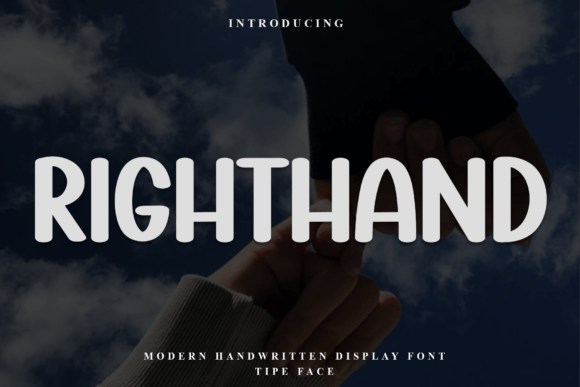
Opening a fresh brand board one afternoon, I found myself drawn to the round, friendly curves of Righthand. As a display font with a casual and creative vibe, it immediately felt like the kind of typeface that could bring warmth to any project. Designed for personal projects, invitations, and social media, Righthand has a playful yet approachable energy that makes it stand out in a sea of more rigid typefaces.
Righthand for Social Media Graphics and Friendly Branding
Testing Righthand on a mockup for a local bakery’s Instagram feed was a real eye-opener. The font’s relaxed strokes gave the posts a sense of community and charm that perfectly aligned with the brand’s voice. It wasn’t just about looking good—it felt right. Whether used for captions, headlines, or call-to-action buttons, Righthand added a layer of personality without overpowering the visuals.
I experimented with pairing it alongside a clean sans-serif font for body text, which created a nice contrast between the playful and the professional. This combination worked especially well for promotional posts, where Righthand drew attention while keeping the message clear and easy to read.
Righthand for Invitations and Personalized Branding
Next, I tried using Righthand for an invitation design for a boutique event. The font’s warm and friendly feel made the invitation feel more like a handwritten note than a formal letter. It was perfect for adding a touch of personality to the design, making guests feel welcomed and excited about the event.
What stood out was how well Righthand handled short phrases—names, dates, and locations all looked inviting when set in this font. However, I noticed that longer paragraphs in Righthand could become a bit hard to follow, so I reserved it for headers and key details rather than full-body text.
For those working on personal branding or small business identities, Righthand can be a great choice for logos, taglines, or even website headers. Its casual nature helps create a connection with the audience, making the brand feel more relatable and human.
Righthand for Packaging Mockups and Creative Studio Identities
When I placed Righthand on a packaging mockup for a handmade soap brand, the results were impressive. The font’s soft curves and friendly look complemented the natural ingredients and eco-conscious messaging of the product. It felt like a natural fit for a brand that wanted to exude warmth and care.
In a creative studio identity project, I used Righthand as the main font for the logo and brand guidelines. It brought a sense of creativity and approachability that resonated with the studio’s mission. When paired with a modern sans-serif font for secondary text, it created a balanced visual hierarchy that was both stylish and readable.
However, I would caution against using Righthand for long-form content or anything that requires high readability at small sizes. It’s best suited for display purposes—headlines, logos, and accents—rather than body text or dense copy.
Righthand for Website Headers and Digital Branding
Testing Righthand on a website header for a creative blog, I found that it worked exceptionally well in larger sizes. The font’s friendly tone helped establish a welcoming atmosphere, which is exactly what the blog aimed for. It also looked great on mobile screens, maintaining its charm even when scaled down.
As a display font, Righthand is ideal for creating visual interest on websites, especially when used sparingly. It pairs well with minimalist layouts and modern color schemes, helping to highlight key messages without overwhelming the viewer.
If you’re considering using Righthand in your digital branding, make sure to test it across different platforms and devices. A quick review of the font’s webfont availability and file formats will help ensure compatibility and performance.
Righthand for Business Cards and Approachable Branding
Finally, I tested Righthand on a business card for a local café owner. The result was charming and memorable. The font’s playful strokes gave the card a friendly and approachable feel, which matched the café’s laid-back ambiance. It was a great way to reinforce the brand’s personality in a small but impactful format.
Business cards are a perfect use case for Righthand, as they often feature short, punchy text that benefits from the font’s expressive character. Just be mindful of legibility—keep the size large enough to ensure clarity, especially if the card is going to be printed in small quantities or shared digitally.
Before finalizing any client work, I always recommend testing fonts in real-world scenarios. Try placing Righthand in different contexts and see how it interacts with colors, spacing, and other design elements. This helps avoid unexpected issues and ensures the font aligns with the overall brand vision.
Remember to check the commercial licensing terms before using Righthand in any client projects, especially if you plan to use it in templates, merchandise, or print-on-demand products. Understanding the rules around font usage can save you time and potential headaches down the line.